


Santa Rosa Plum
Your Plants are Guaranteed
Your Plants are Guaranteed
Your plants are guaranteed to arrive happy & healthy with our 1 Year Limited Warranty. Your order will arrive healthy and stay healthy while they adapt to your climate. If not, just call us at (704) 443-8256.
Free Shipping on All Orders
Free Shipping on All Orders
Free shipping on all orders. Your plants will ship out the next business day... expertly packed so that your plants will arrive happy and healthy!
Planting & Care
Planting & Care
How We Ship Your Plants
From our nursery to your doorstep
Ordering live plants online should feel exciting, not stressful. We only ship healthy, well-rooted trees and plants, packed to arrive ready to thrive.
We never cut corners on roots
Some nurseries cut corners to save on shipping. A strong root system is the foundation for long-term success, so your plant should arrive ready to thrive, not struggling to recover from shortcuts.
We never
- Ship bare-root plants
- Cut roots to fit a plant into a small box
We always
- Ship plants with healthy, developed roots, so they establish faster at your home
- Put plant health first, not minimizing shipping costs
Watch: what to expect from your delivery
Your plant's journey
Once you place your order, our nursery team selects your plant and inspects it to make sure it meets our quality standards. We try our best to exceed your expectations!
Strong health
Vibrant foliage and no signs of stress.
Developed roots
A well-developed root system that's ready for your yard.
Correct size
Sized to match exactly what you ordered.
- SelectedHand-picked and inspected by our nursery team
- WateredA good drink right before the trip
- WrappedRoots sealed in a plastic bag so they don't dry out
- PackedSecured in a strong box built for live plants
- ShippedHanded to FedEx, with tracking emailed to you
Packed & protected
Live plants can't be packed like ordinary boxes, so we do it differently. Your plant is secured inside a strong shipping box to protect it while traveling.
Support for stability
Support materials keep your plant upright and steady.
Pot & root protection
Extra protection around the pot and roots.
Reinforced boxes
Larger trees ship in oversize boxes built for their size and structure.
Several plants in one box? That's on purpose. It spreads the weight evenly, which keeps your plants safe and secure throughout delivery.
Shipped with FedEx
- Ships Monday–Friday
- Most orders ship the next business day
- Tracking emailed when it ships
Over the years, we've found FedEx to be the best carrier for live plants, especially larger items. Want a different date? You can request a custom ship date.
Quickest delivery
FedEx delivers quickest across the country.
Gentle handling
They're the most gentle with live plants.
Less plant stress
Faster transit means less time in the box.
Nurseries on both coasts
We ship from multiple locations across the country, including both the East Coast and West Coast. This lets us:
- Deliver faster in more regions
- Reduce time in transit for your plants
- Ship large items more efficiently

How we measure your trees
When you order a 5–6 ft. tree, you get a tree that's 5–6 ft. tall above the soil, not "including the container." You'll know what to expect when it arrives, and what it will look like in the ground.

More detail: tree sizes · shrub sizes · houseplant sizes
When your plants arrive
It's completely normal for a plant to look slightly different after shipping. In most cases it perks up quickly once it's unboxed, watered if needed, and placed in the right spot.
Normal after shipping
- Minor leaf drop
- Soil that shifted slightly in the pot
- Temporary drooping from being in a dark box
Unbox in 4 steps
-
Open carefully
Avoid cutting into foliage.
-
Remove all packing
Including the bag around the roots.
-
Check soil moisture
If it feels dry, water thoroughly.
-
Let it recover
Give it fresh air after the trip.
Covered by our 1 Year Warranty
Every plant we ship is covered for 365 days from your delivery date.
If your plant arrives damaged, or fails to thrive within 30 days of delivery, we'll send a replacement at no cost to you.
If your plant doesn't survive between days 31 and 365, we'll replace it for 50% of the current retail price.
One replacement per plant. If anything doesn't look right, contact us and we'll help you troubleshoot quickly. How to file a claim · Full warranty terms
Frequently asked questions
Do you ship bare-root plants?
No. We ship in soil with an established root system for the best success after delivery.
How fast will my order ship?
Most orders ship the next business day, Monday through Friday, unless you request a custom ship date.
Will my plant survive shipping?
Yes. Plants are resilient when packed correctly and shipped quickly. Our process is designed to protect your plant throughout transit.
What if my plant arrives droopy?
This is usually temporary from being in a dark box. Unbox promptly, check moisture, and allow time to adjust. If you're concerned, reach out. We're here to help.
What if my plant arrives damaged?
Take a photo and contact us with your order number. Damage on arrival is covered by a free replacement under our 1 Year Warranty.
Questions? We're happy to help.
Whether it's about your delivery or planting your new trees, a real person on our team will help.
Want Bigger Plants?
|
The Santa Rosa Plum thrives in Zones 5-9 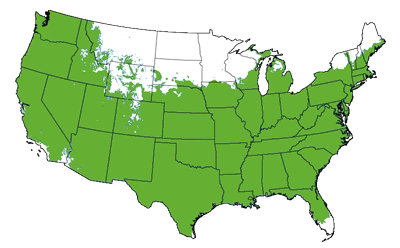
If you live in the green area above, we recommend the Santa Rosa Plum. |
||
| Your Growing Zone | ||
| Recommended Zones | 5-9 | |
| Mature Height | 20-30 ft. | |
| Mature Width | 20-30 ft. | |
| Cannot Ship To | WA, OR, LA, ID, CA, AZ, AR | |
| Sunlight | Full Sun | |
| Botanical Name | Prunus salicina 'Santa Rosa' | |
|
The Santa Rosa Plum thrives in Zones 5-9
If you live in the green area above, we recommend the Santa Rosa Plum. |
|
| Your Growing Zone | |
| Recommended Zones | 5-9 |
| Mature Height | 20-30 ft. |
| Mature Width | 20-30 ft. |
| Cannot Ship To | WA, OR, LA, ID, CA, AZ, AR |
| Sunlight | Full Sun |
| Botanical Name | Prunus salicina 'Santa Rosa' |
Description
Description
Santa Rosa Plum Tree: Sweet Summer Fruit and Beautiful Spring Blooms
Grow delicious fruit and enjoy a beautiful spring display with the Santa Rosa Plum Tree. This popular fruit tree produces fragrant white flowers in spring, followed by dark crimson plums with firm, juicy flesh and rich flavor.
Santa Rosa Plums are excellent for fresh eating, baking, jams, and preserves. The tree also adds seasonal beauty to the landscape, making it a great choice for home orchards, garden borders, and sunny backyard spaces.
Why You'll Love the Santa Rosa Plum Tree
Sweet, Juicy Plums: Santa Rosa produces flavorful dark red fruit with firm, juicy flesh.
Beautiful Spring Flowers: Fragrant white blooms cover the branches in spring before the fruit begins to form.
Great for Fresh Eating: Enjoy ripe plums right from the tree for a sweet and juicy summer snack.
Perfect for Baking and Preserving: Use the fruit in pies, desserts, jams, jellies, and homemade preserves.
Attractive Landscape Tree: Santa Rosa Plum adds flowers, fruit, and seasonal interest to gardens and home landscapes.
Better Harvests With Cross-Pollination: Planting another compatible plum nearby can help increase fruit production.
What Do Santa Rosa Plums Taste Like?
Santa Rosa Plums are known for their rich, sweet flavor with a pleasant touch of tartness. The flesh is firm, juicy, and full of classic plum flavor.
The dark crimson skin surrounds flavorful fruit that is perfect for eating fresh or using in your favorite recipes.
Beautiful White Flowers in Spring
Before the fruit arrives, the Santa Rosa Plum Tree puts on a beautiful spring show. Fragrant white flowers cover the branches and bring fresh color to the landscape.
These spring blooms make the tree attractive enough to use as both a fruit tree and an ornamental garden accent.
When Does the Santa Rosa Plum Tree Produce Fruit?
After flowering in spring, small plums begin developing along the branches. The fruit grows and ripens during the warmer months, giving you a summer plum harvest.
Harvest the fruit when it develops its full dark red color and begins to soften slightly for the best flavor.
Does Santa Rosa Plum Need a Pollinator?
Santa Rosa Plum can produce fruit on its own, but planting another compatible plum tree nearby can improve pollination and lead to a heavier harvest.
If you have room for more than one plum tree, adding a second compatible variety is a great way to support stronger fruit production.
How to Use Santa Rosa Plums
Fresh Eating: Enjoy ripe fruit straight from the tree for a sweet summer snack.
Baking: Use Santa Rosa Plums in pies, crisps, cakes, and other desserts.
Jams and Preserves: Their rich flavor makes them a great choice for homemade jam and jelly.
Sauces: Cook the fruit into sweet or savory sauces for meals and desserts.
Freezing: Save part of your harvest to enjoy later in the year.
Where to Plant a Santa Rosa Plum Tree
Home Orchards: Add Santa Rosa Plum to a sunny fruit tree collection for reliable summer harvests.
Backyard Gardens: Use it as both a fruit tree and a beautiful seasonal focal point.
Garden Borders: Plant it where its spring flowers and summer fruit can add color and interest.
Edible Landscapes: Combine it with berries, herbs, and other fruit trees for a landscape that looks good and produces food.
Santa Rosa Plum Tree Sun and Soil Needs
Sunlight: Plant your Santa Rosa Plum Tree in full sun for the best flowering, growth, and fruit production.
Soil: Choose fertile, well-drained soil. Avoid areas where water stays around the roots for long periods.
Watering: Water regularly while the tree is becoming established. Once established, provide deep watering during long dry periods, especially while fruit is developing.
About Santa Rosa Plum Chill Hours
Santa Rosa Plum has a recommended chill requirement of about 400 chill hours. Chill hours are the number of cool winter hours the tree needs to help support normal flowering and fruit production.
This moderate chill requirement makes Santa Rosa a good choice for many areas with mild to moderate winters.
Seasonal Beauty From Spring Through Harvest
Santa Rosa Plum offers more than delicious fruit. White flowers brighten the tree in spring, green foliage fills out the branches through summer, and dark crimson plums add rich color as harvest time approaches.
This mix of flowers and fruit makes it a useful choice for gardeners who want both beauty and fresh homegrown food.
A Classic Plum Tree for Home Gardens
If you want a fruit tree with fragrant spring flowers, sweet summer plums, rich flavor, and beautiful seasonal interest, the Santa Rosa Plum Tree is an excellent choice.
Plant a Santa Rosa Plum Tree and enjoy beautiful spring blooms followed by baskets of sweet, juicy homegrown plums for years to come.
Plants that make a difference
For over 20 years, our team has shipped healthy, established plants to gardeners across the country. Every plant is selected and cared for by our plant experts before it ships to your door.
20+ Years Experience Shipping Plants
Packed to arrive healthy and ready to plant.
Only Superior Plants
Strong roots and healthy growth in soil-filled containers.
Free Shipping on All Orders
No minimums, no surprises at checkout.
Guaranteed to Grow
Every plant is backed by our 1 Year Warranty.