




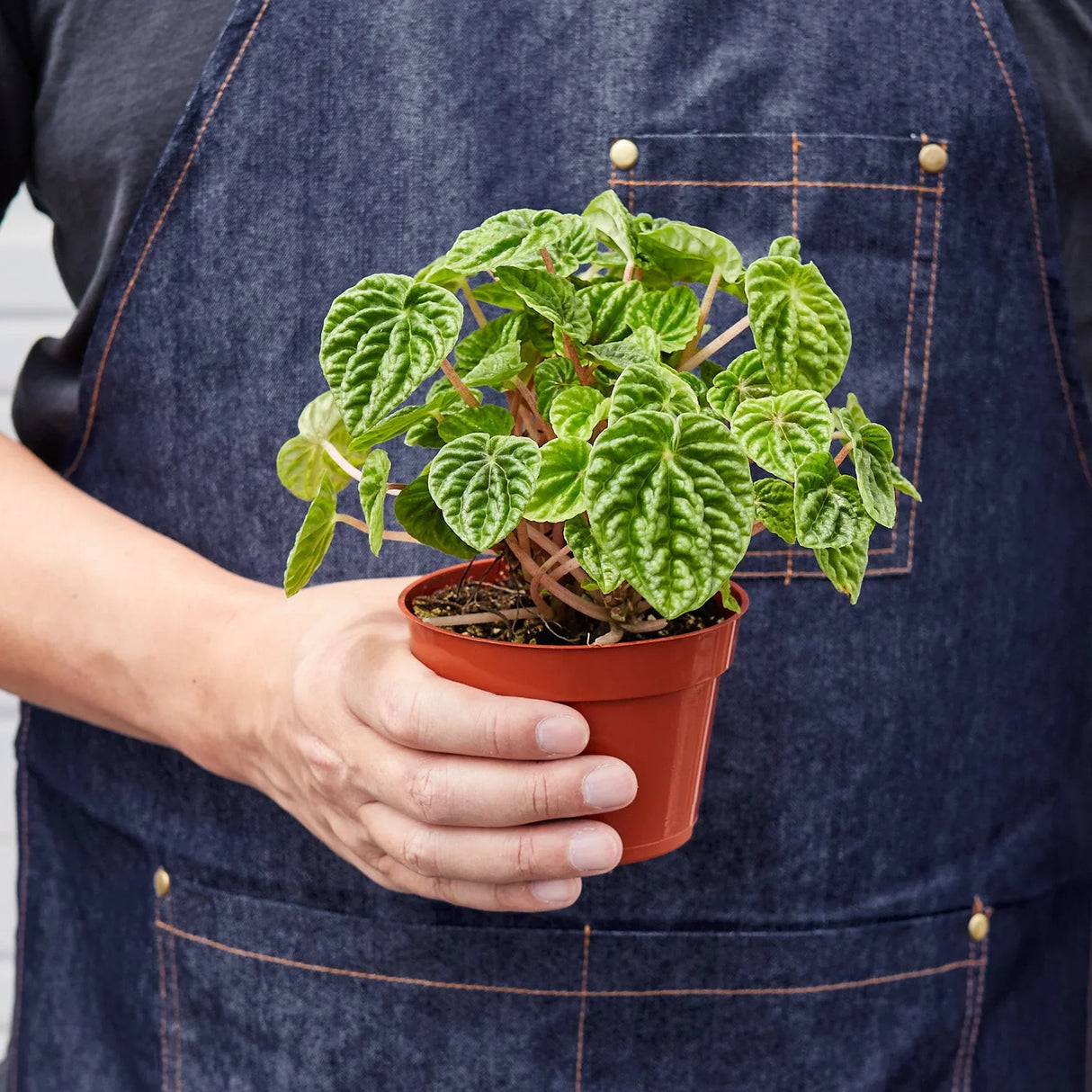

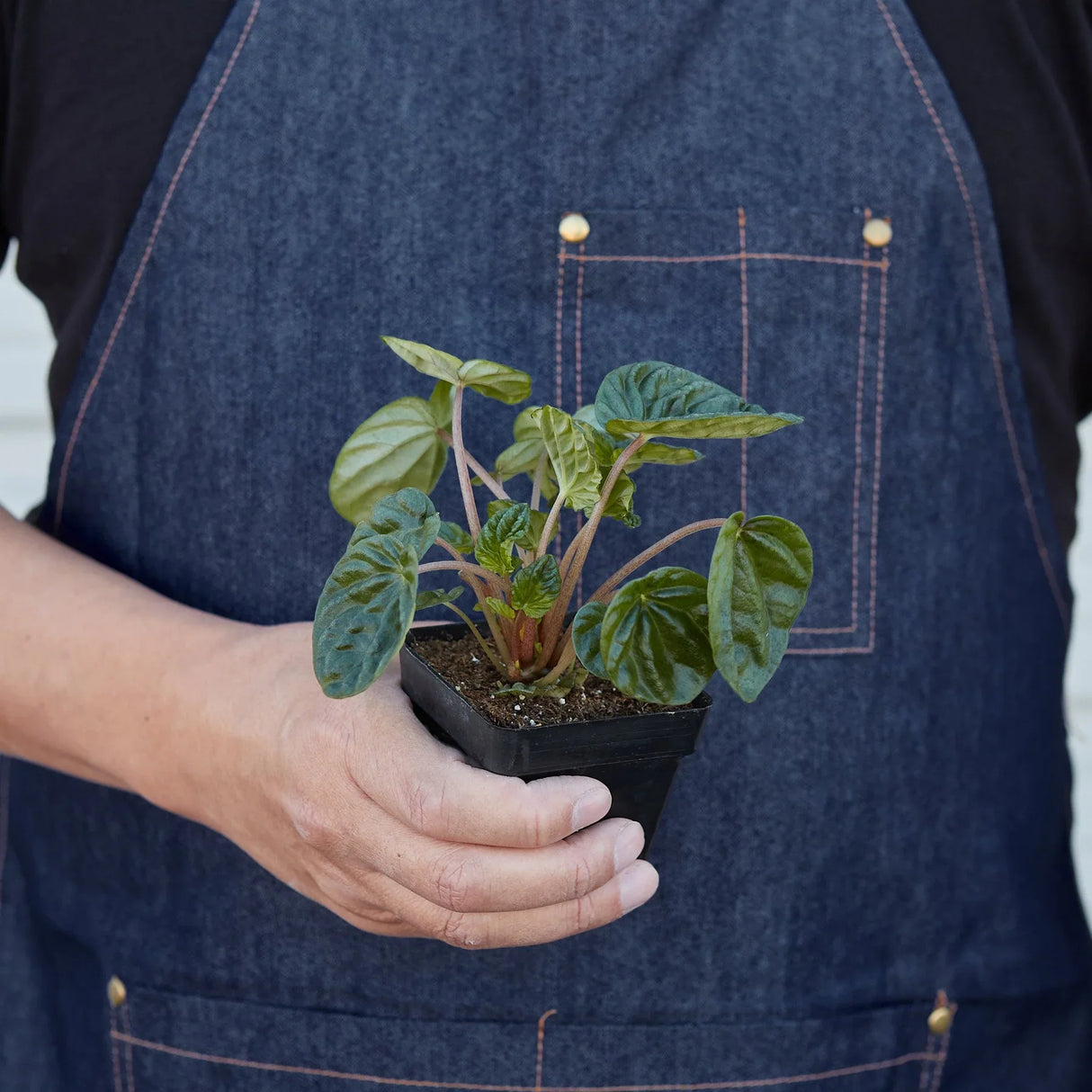
Peperomia Caperata 'Ripple'
Plant Health Guaranteed
Your Plants are Guaranteed
Your Plants are Guaranteed
Your plants are guaranteed to arrive happy & healthy with our 1 Year Limited Warranty. Your order will arrive healthy and stay healthy while they adapt to your climate. If not, just call us at (704) 443-8256.
Free Shipping on All Orders
Free Shipping on All Orders
Free Shipping on All Orders! Your order will ship out the next business day... expertly packed so that your plants will arrive happy and healthy!
Houseplant Information
Houseplant Information
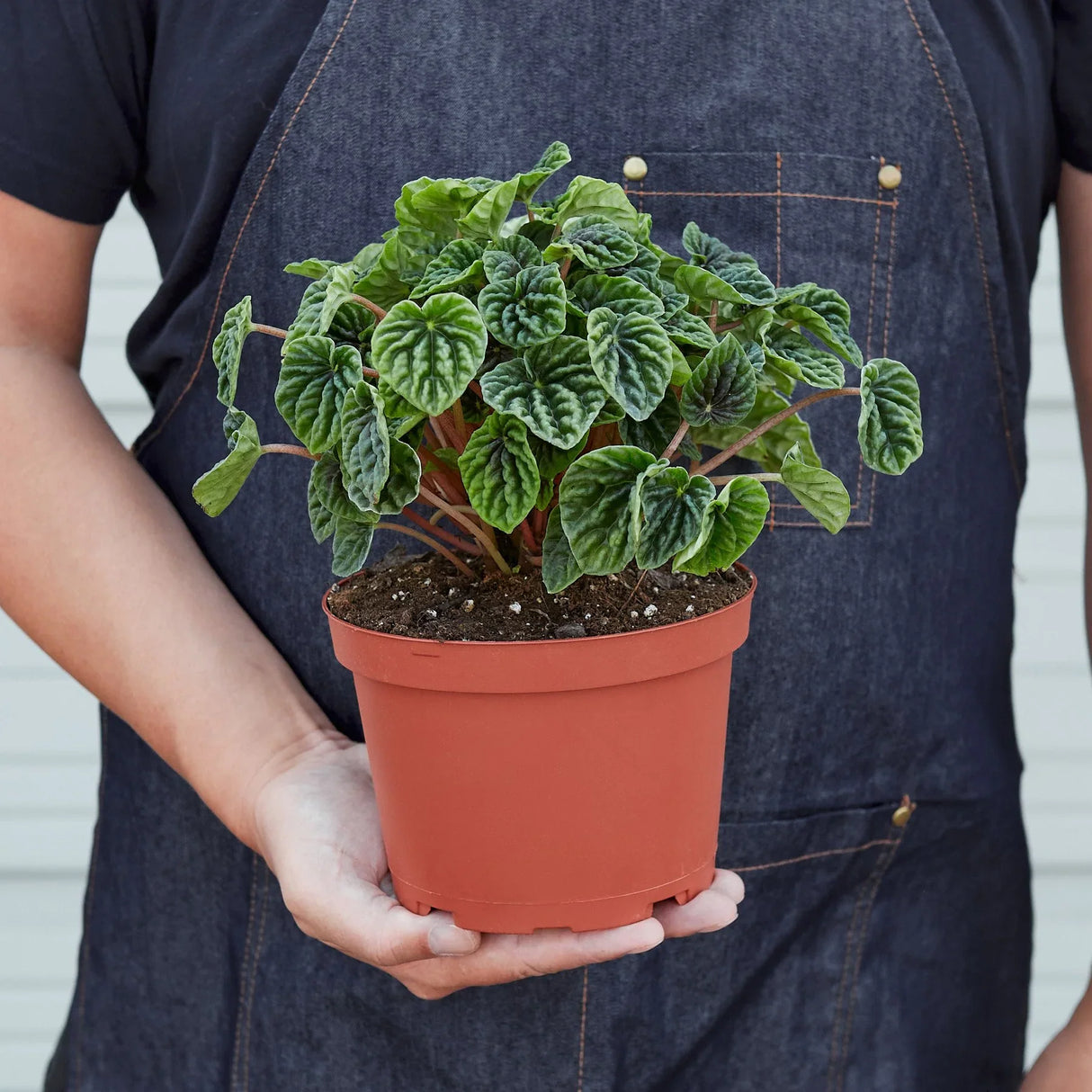
Your houseplant will come in a black plastic nursery pot. It will have holes at the bottom of the pot to allow for proper drainage when watered. We recommend changing the pot when your plant arrives if you plan to grow your plant indoors.
Planting & Care
Planting & Care
How We Ship Your Plants
From our nursery to your doorstep
Ordering live plants online should feel exciting, not stressful. We only ship healthy, well-rooted trees and plants, packed to arrive ready to thrive.
We never cut corners on roots
Some nurseries cut corners to save on shipping. A strong root system is the foundation for long-term success, so your plant should arrive ready to thrive, not struggling to recover from shortcuts.
We never
- Ship bare-root plants
- Cut roots to fit a plant into a small box
We always
- Ship plants with healthy, developed roots, so they establish faster at your home
- Put plant health first, not minimizing shipping costs
Watch: what to expect from your delivery
Your plant's journey
Once you place your order, our nursery team selects your plant and inspects it to make sure it meets our quality standards. We try our best to exceed your expectations!
Strong health
Vibrant foliage and no signs of stress.
Developed roots
A well-developed root system that's ready for your yard.
Correct size
Sized to match exactly what you ordered.
- SelectedHand-picked and inspected by our nursery team
- WateredA good drink right before the trip
- WrappedRoots sealed in a plastic bag so they don't dry out
- PackedSecured in a strong box built for live plants
- ShippedHanded to FedEx, with tracking emailed to you
Packed & protected
Live plants can't be packed like ordinary boxes, so we do it differently. Your plant is secured inside a strong shipping box to protect it while traveling.
Support for stability
Support materials keep your plant upright and steady.
Pot & root protection
Extra protection around the pot and roots.
Reinforced boxes
Larger trees ship in oversize boxes built for their size and structure.
Several plants in one box? That's on purpose. It spreads the weight evenly, which keeps your plants safe and secure throughout delivery.
Shipped with FedEx
- Ships Monday–Friday
- Most orders ship the next business day
- Tracking emailed when it ships
Over the years, we've found FedEx to be the best carrier for live plants, especially larger items. Want a different date? You can request a custom ship date.
Quickest delivery
FedEx delivers quickest across the country.
Gentle handling
They're the most gentle with live plants.
Less plant stress
Faster transit means less time in the box.
Nurseries on both coasts
We ship from multiple locations across the country, including both the East Coast and West Coast. This lets us:
- Deliver faster in more regions
- Reduce time in transit for your plants
- Ship large items more efficiently

How we measure your trees
When you order a 5–6 ft. tree, you get a tree that's 5–6 ft. tall above the soil, not "including the container." You'll know what to expect when it arrives, and what it will look like in the ground.

More detail: tree sizes · shrub sizes · houseplant sizes
When your plants arrive
It's completely normal for a plant to look slightly different after shipping. In most cases it perks up quickly once it's unboxed, watered if needed, and placed in the right spot.
Normal after shipping
- Minor leaf drop
- Soil that shifted slightly in the pot
- Temporary drooping from being in a dark box
Unbox in 4 steps
-
Open carefully
Avoid cutting into foliage.
-
Remove all packing
Including the bag around the roots.
-
Check soil moisture
If it feels dry, water thoroughly.
-
Let it recover
Give it fresh air after the trip.
Covered by our 1 Year Warranty
Every plant we ship is covered for 365 days from your delivery date.
If your plant arrives damaged, or fails to thrive within 30 days of delivery, we'll send a replacement at no cost to you.
If your plant doesn't survive between days 31 and 365, we'll replace it for 50% of the current retail price.
One replacement per plant. If anything doesn't look right, contact us and we'll help you troubleshoot quickly. How to file a claim · Full warranty terms
Frequently asked questions
Do you ship bare-root plants?
No. We ship in soil with an established root system for the best success after delivery.
How fast will my order ship?
Most orders ship the next business day, Monday through Friday, unless you request a custom ship date.
Will my plant survive shipping?
Yes. Plants are resilient when packed correctly and shipped quickly. Our process is designed to protect your plant throughout transit.
What if my plant arrives droopy?
This is usually temporary from being in a dark box. Unbox promptly, check moisture, and allow time to adjust. If you're concerned, reach out. We're here to help.
What if my plant arrives damaged?
Take a photo and contact us with your order number. Damage on arrival is covered by a free replacement under our 1 Year Warranty.
Questions? We're happy to help.
Whether it's about your delivery or planting your new trees, a real person on our team will help.
Want Bigger Plants?

|
The Peperomia Caperata 'Ripple' thrives Indoors. 
If you live in the green area above, we recommend the Peperomia Caperata 'Ripple'. |
||
| Mature Height | 12-24 inches | |
| Mature Width | 12-18 inches | |
| Sunlight | Direct or Indirect Light | |
| Botanical Name | Peperomia caperata | |
| The Peperomia Caperata 'Ripple' thrives Indoors. | |
|
If you live in the green area above, we recommend the Peperomia Caperata 'Ripple'.
|
|
| Mature Height | 12-24 inches |
| Mature Width | 12-18 inches |
| Sunlight: | Direct or Indirect Light |
| Botanical Name | Peperomia caperata |
Description
Description
Peperomia caperata – The Perfect Blend of Elegance and Ease
Botanical Name: Peperomia caperata
Common Names: Emerald Ripple Pepper, Ripple Peperomia, Caperata Ripple
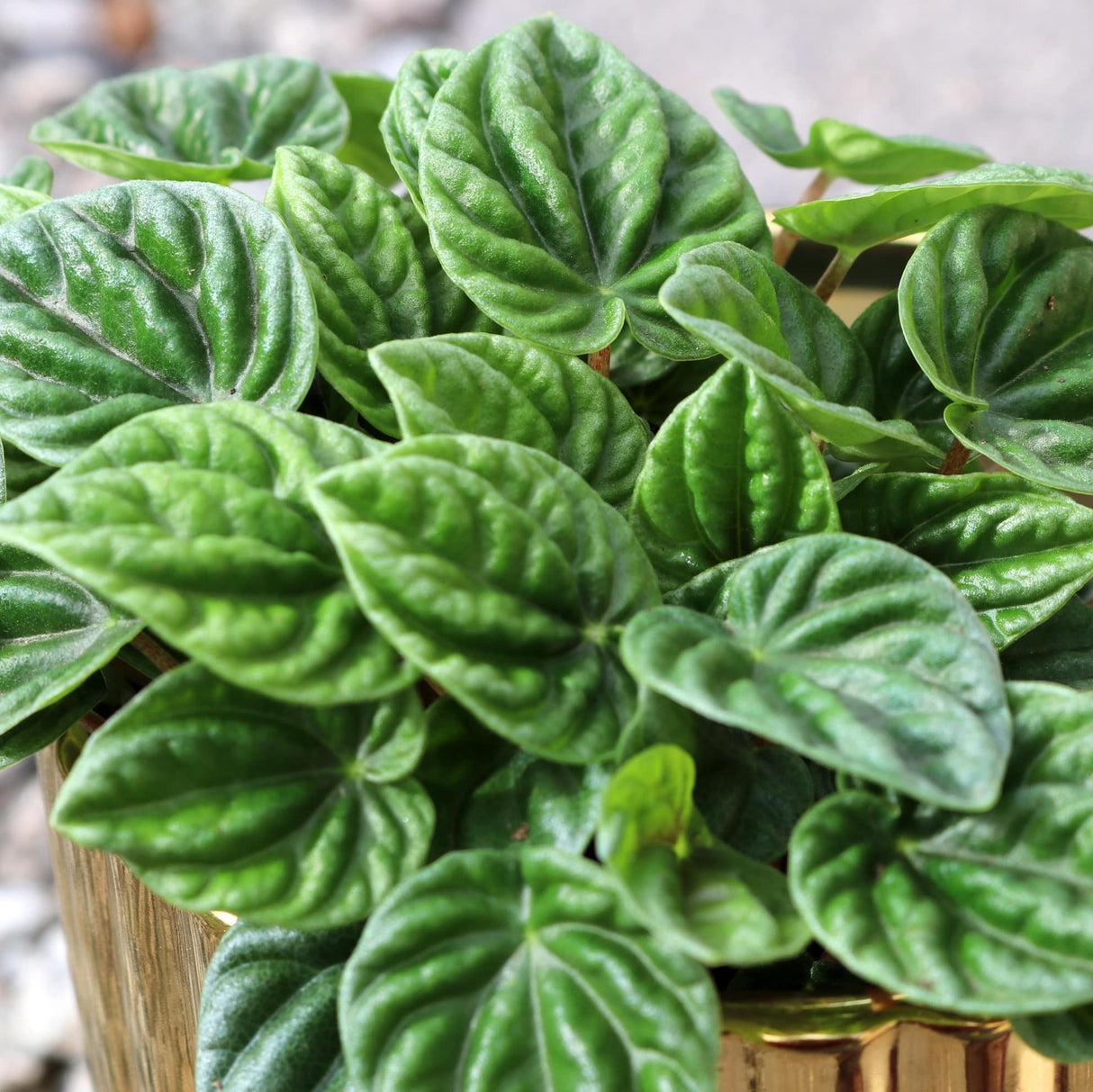
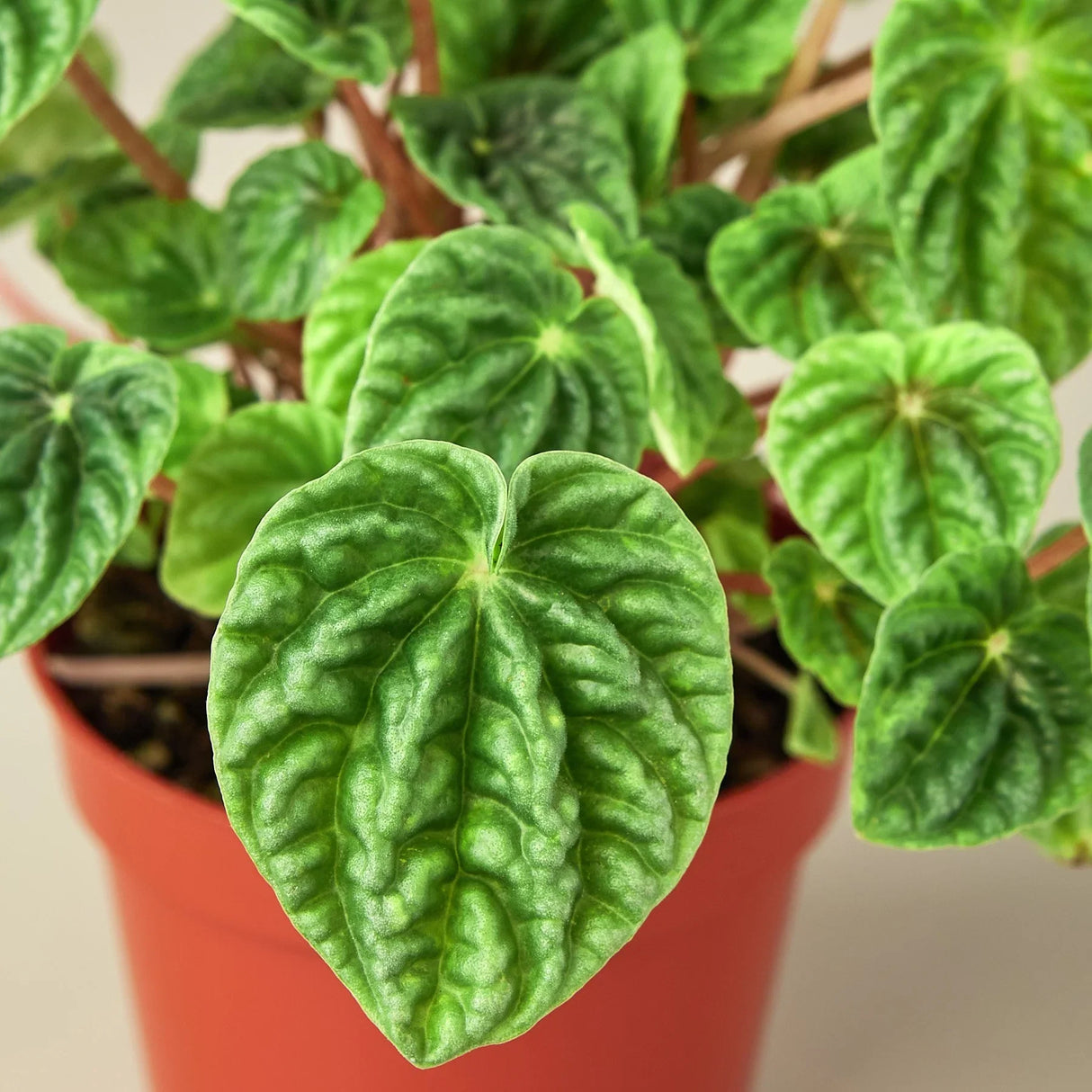
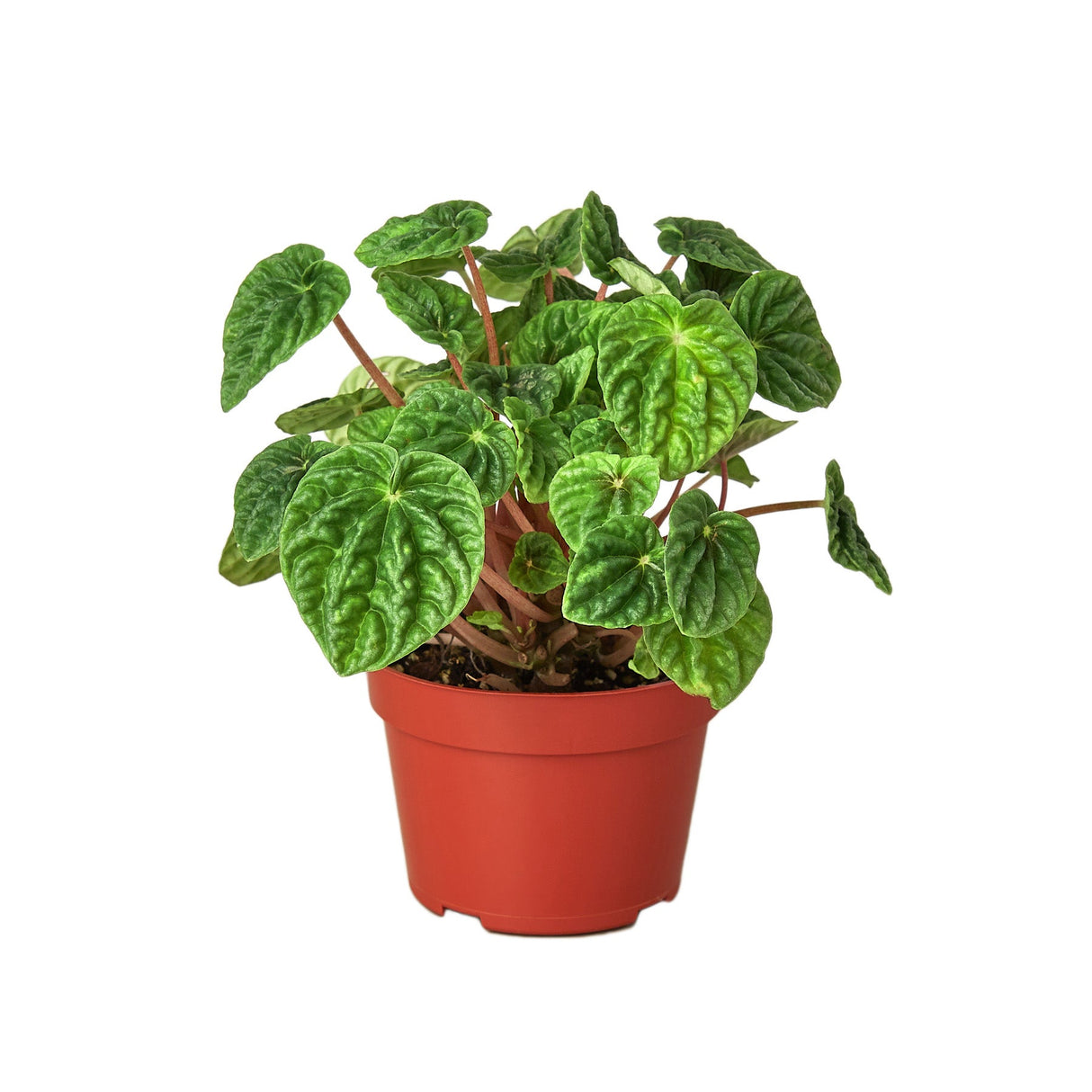
Peperomia caperata, commonly known as Emerald Ripple Pepper, is a stunning houseplant cherished for its deeply textured, heart-shaped leaves and compact growth habit. Native to the tropical rainforests of Brazil, this versatile plant thrives indoors, making it a popular choice for plant enthusiasts of all levels.
With its wavy, rippled foliage in shades of deep green, silver, or burgundy, Peperomia caperata adds a sophisticated charm to any space. Its petite size and adaptability make it ideal for apartments, offices, or homes where space is at a premium.
Features and Appearance
- Foliage: The hallmark of Peperomia caperata is its unique, deeply corrugated leaves. The heart-shaped leaves often appear velvety and come in a range of colors, including emerald green, silvery tones, or deep purple, depending on the variety.
- Size: Compact and manageable, this plant typically grows to about 6–12 inches in both height and width, making it perfect for tight spaces or mixed arrangements.
- Flowers: While primarily grown for its foliage, Peperomia caperata occasionally produces slender, spiky flower stalks that resemble rat tails. These subtle blooms add an extra layer of charm.
Key Benefits
- Aesthetic Appeal: The rippled texture and unique colors of the foliage make Peperomia caperata a standout addition to any indoor garden.
- Compact Size: Its small stature makes it ideal for desks, shelves, or windowsills.
- Low Maintenance: Perfect for beginners, this plant requires minimal care and thrives in a variety of conditions.
- Air Purifying: Like many houseplants, Peperomia caperata helps improve indoor air quality by reducing toxins.
Styling Tips
- Pair it with other low-light plants like ferns or pothos for a lush, layered look.
- Use decorative pots to highlight its rich textures and colors.
- Place it on a windowsill, desk, or shelf where its unique foliage can be admired up close.
Care Guide for Peperomia caperata
Light Requirements:
This plant thrives in bright, indirect light but can tolerate lower light levels, making it versatile for different indoor spaces. Too much direct sunlight can scorch its delicate leaves, so filtered light is ideal.
Watering:
Allow the top 1-2 inches of soil to dry out between waterings. Like other Peperomias, Peperomia caperata is susceptible to overwatering, so ensure the pot has adequate drainage. During the cooler months, reduce watering frequency to prevent root rot.
Humidity:
Native to humid tropical environments, Peperomia caperata appreciates moderate to high humidity levels. While it can adapt to standard indoor conditions, misting or placing a tray of water nearby can enhance its growth.
Temperature:
Keep the plant in a warm environment with temperatures between 65–80°F (18–27°C). It doesn’t tolerate frost or cold drafts, so ensure it’s placed away from windows during winter.
Soil:
Use a light, well-draining potting mix, such as one designed for indoor plants or a blend of peat, perlite, and compost. Avoid heavy soils that retain water.
Fertilizer:
Feed with a balanced liquid houseplant fertilizer every 4-6 weeks during the growing season (spring and summer). No fertilization is needed during the plant’s dormant period in fall and winter.
Repotting:
Repot every 2-3 years or when the plant becomes root-bound. Use a pot that is only slightly larger than the current one, as this plant prefers a snug fit.
Important Notes
- Pet-Friendly: Peperomia caperata is considered non-toxic to pets, making it a safe choice for households with cats or dogs.
- Pests and Problems: While relatively pest-resistant, it may occasionally attract mealybugs or spider mites. Regularly inspect the leaves and treat any infestations promptly with neem oil or insecticidal soap.
Why Choose Peperomia caperata?
With its stunning textured leaves, compact growth habit, and ease of care, Peperomia caperata is a must-have for any plant lover. Whether you’re a seasoned collector or new to indoor gardening, this versatile plant is sure to bring beauty and tranquility to your home or office.
Enhance your indoor garden with the timeless elegance of Peperomia caperata—a plant that’s as unique as it is easy to love!
Plants that make a difference
For over 20 years, our team has shipped healthy, established plants to gardeners across the country. Every plant is selected and cared for by our plant experts before it ships to your door.
20+ Years Experience Shipping Plants
Packed to arrive healthy and ready to plant.
Only Superior Plants
Strong roots and healthy growth in soil-filled containers.
Free Shipping on All Orders
No minimums, no surprises at checkout.
Guaranteed to Grow
Every plant is backed by our 1 Year Warranty.